Demographic Changes Drive New Trends in Mobile Casino App Game Selections Globally
Bianca Sullivan · Nov 18, 2026
Demographic Changes Drive New Trends in Mobile Casino App Game Selections Globally
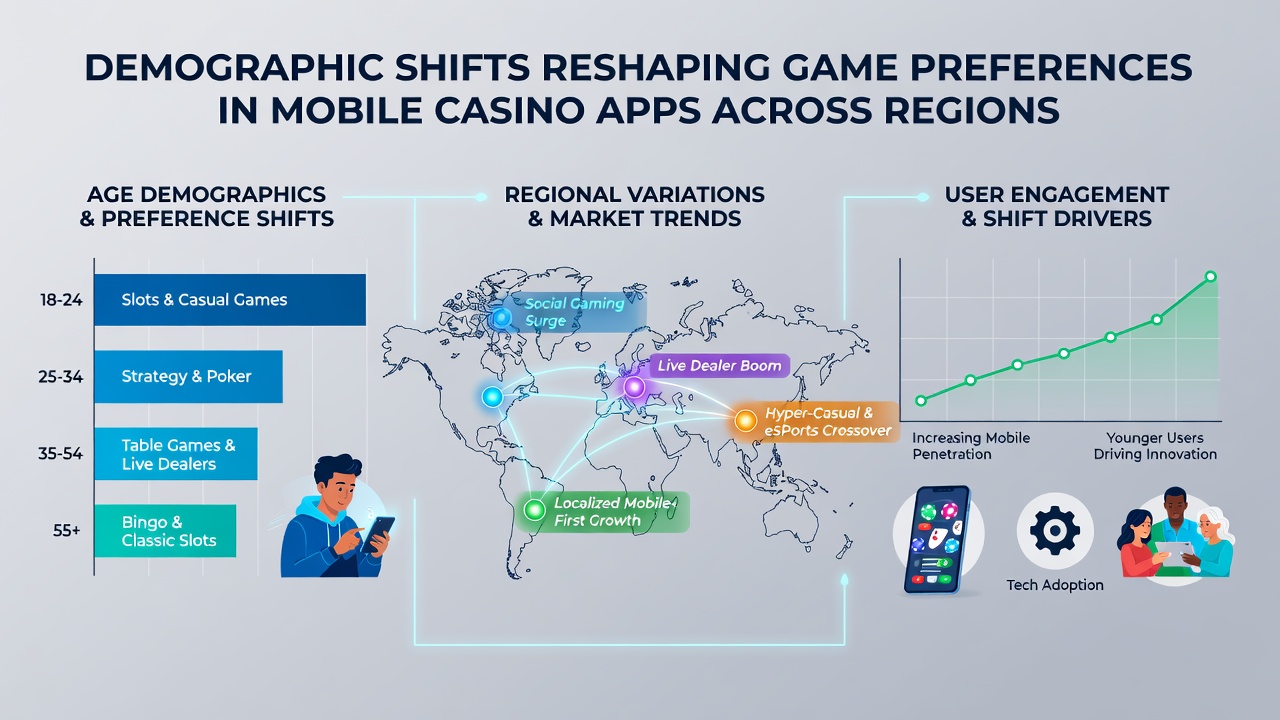
Population structures continue evolving in multiple regions, and these shifts influence the types of games that dominate mobile casino platforms in each market, while user age ranges, urbanization rates, and cultural factors determine which titles gain traction among active players.
Asia-Pacific Markets Show Younger User Bases Favoring Interactive Titles
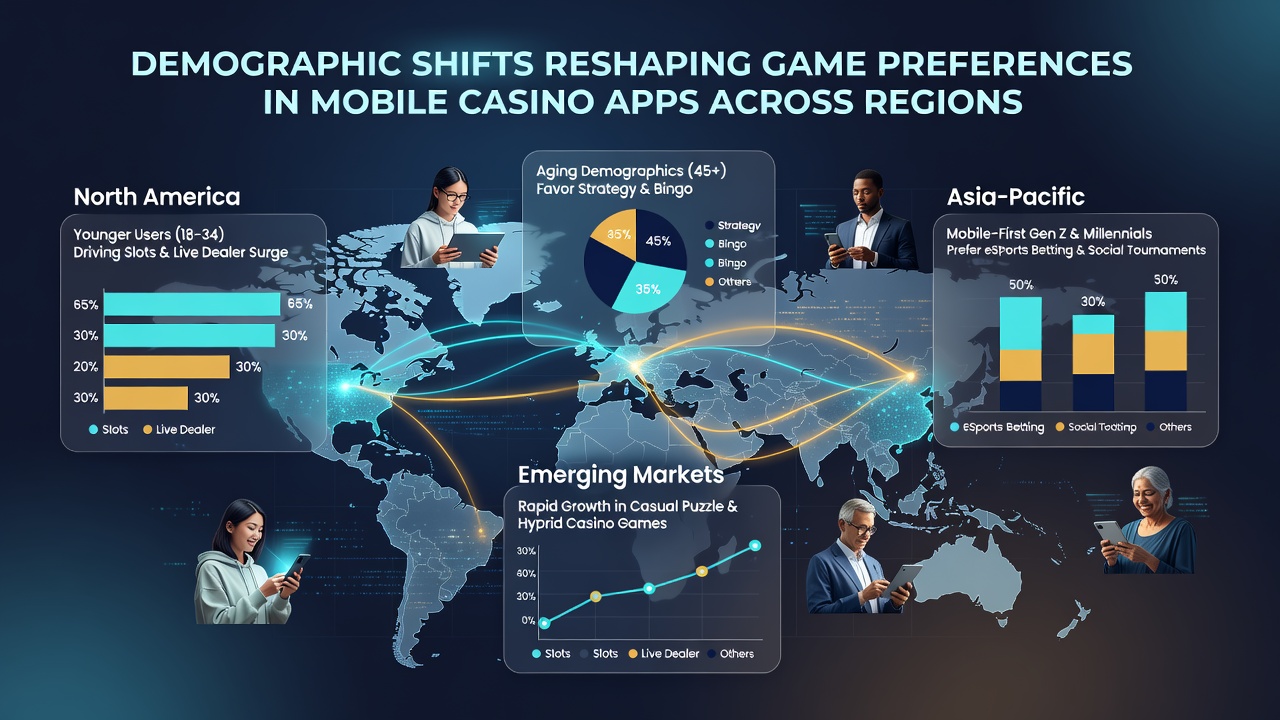
Younger populations in countries across Asia-Pacific maintain strong engagement with mobile casino apps, and data from regional regulators indicate that users aged 18 to 34 select skill-oriented games such as poker variants and crash-style mechanics at higher rates than traditional slots, because these formats align with mobile-first habits developed through widespread smartphone penetration since the mid-2010s.
Urban migration patterns accelerate this preference, as city dwellers gain consistent high-speed connections that support real-time multiplayer features, whereas rural users often default to simpler single-player options due to connectivity constraints.
North American Patterns Reveal Aging Demographics Boosting Slot Popularity
North American markets display contrasting trends where an expanding share of users over age 45 drives demand for classic slot machines and progressive jackpot titles, and figures from industry reports show these games accounting for larger session volumes compared with table games that require faster decision-making.
Meanwhile younger cohorts in the same regions explore live dealer formats more frequently, yet overall participation remains segmented by generation, with operators adjusting marketing and interface designs accordingly.
Income distribution also plays a role, since higher disposable earnings among mid-career professionals correlate with increased spending on high-volatility slots during evening hours.
European Variations Highlight Gender and Cultural Influences on Preferences
European user data collected through 2026 reveals gender splits that shape game libraries, with women showing elevated interest in themed slot collections and casual bingo-style experiences, while male users gravitate toward sports-adjacent casino games and strategy-based options.
Regulatory bodies in several EU member states track these patterns through anonymized transaction records, and observers note that cultural familiarity with certain game mechanics, such as those inspired by local lotteries, boosts retention in specific countries.
Immigration trends add further layers, as communities from Asia and Africa introduce preferences for rapid-play formats that differ from longstanding domestic selections.
Latin American and African Markets Demonstrate Mobile-First Adoption Effects
Emerging economies in Latin America and parts of Africa feature predominantly young adult populations that encounter mobile casino apps as their first exposure to regulated gambling, and this leads to strong uptake of visually rich, short-session games optimized for data-efficient networks.
November 2026 statistics from national gaming oversight agencies highlight rapid growth in these areas, where demographic youth bulges coincide with expanding 4G and 5G coverage that removes previous barriers to entry.
Local payment integrations and language localization further steer users toward culturally resonant themes rather than imported Western titles.
Cross-Regional Data Points to Broader Industry Adjustments
Industry organizations such as the European Gaming and Betting Association compile comparative metrics that illustrate how these demographic variables prompt developers to diversify portfolios, and research from academic institutions in Canada shows correlations between education levels and preferences for games with transparent odds displays.
Operators respond by testing A/B variations in app interfaces that reflect regional census updates released throughout 2026, ensuring alignment with shifting user bases without overextending resources on mismatched content.
Conclusion
Demographic movements across continents continue reshaping mobile casino preferences through measurable patterns in age, location, and cultural exposure, and ongoing data collection by regulators and research groups provides the factual basis for these observations as markets adapt into late 2026 and beyond.